The first question owners ask after their German Shepherd is diagnosed with hip dysplasia is whether the dog can still exercise. The answer is emphatically yes, but the type, intensity, and duration of exercise must change. Done correctly, appropriate exercise is one of the most powerful tools we have for managing dysplastic hips. Done incorrectly, exercise accelerates joint destruction and shortens the time until surgery becomes necessary.
The goal is maintaining muscle strength, cardiovascular fitness, and mental stimulation while minimizing impact stress on compromised joints. This requires rethinking the kinds of activities most shepherd owners default to. Fetch and frisbee, the explosive activities many shepherds live for, are precisely the activities that damage dysplastic hips most severely.
Understanding Impact Forces
When a dog runs, jumps, or lands from a height, the force transmitted through the hip joint far exceeds body weight. A German Shepherd weighing 80 pounds generates peak forces of 300 pounds or more through each hip with high-intensity movement. For a joint already compromised by poor conformation, these repeated high-impact loads grind away cartilage and accelerate arthritic changes.
Impact force depends on several factors: speed of movement, suddenness of direction changes, landing forces from jumps, and body weight at the moment of impact. Reducing any of these factors reduces joint stress, which is why maintaining lean body condition amplifies the benefits of every exercise modification. Our exercise modifications target all of them.
Continuous steady-state movement generates much lower peak forces than start-stop activities. A dog walking at moderate pace experiences forces roughly equal to body weight. That same dog sprinting after a ball experiences forces three to four times higher. The difference matters enormously for compromised joints.
Activities to Embrace
Swimming: If I could prescribe one exercise for dysplastic dogs, it would be swimming. Water provides resistance for muscle strengthening while buoyancy eliminates weight-bearing stress. The hip moves through its full range of motion without impact. Dogs who swim regularly maintain better muscle mass and joint mobility than those who do not. For structured programs, our swimming therapy protocols detail week-by-week progression from introduction to maintenance.
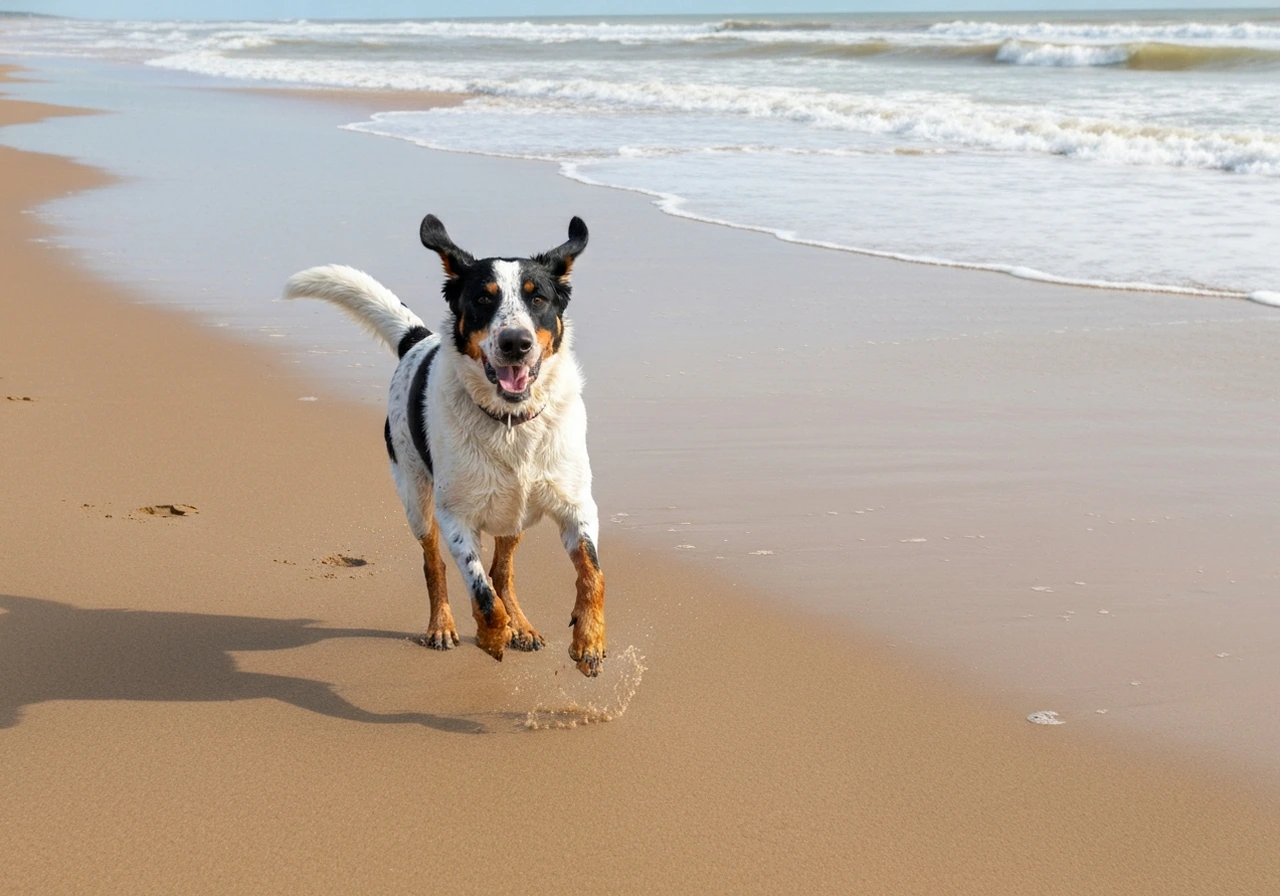
Not all dogs are natural swimmers. Some shepherds need encouragement and gradual introduction. Start in shallow water where the dog can walk with partial buoyancy. Progress to deeper water as confidence builds. Life vests provide security for dogs still learning.
Swimming pools designed for canine rehabilitation offer controlled environments with trained staff. Natural water works well too, though current and cold temperatures require supervision. Avoid water with poor visibility or unknown bottom surfaces where a dog might land unexpectedly.
Underwater treadmill: Canine rehabilitation facilities often offer underwater treadmill therapy. The water level adjusts to control how much weight the dog bears. Higher water means less weight on the joints while still requiring muscular effort for movement. This is particularly valuable during flare-ups or immediately post-surgery.
Controlled leash walks: Walking remains appropriate and beneficial. The key is control. Use a standard leash, not a retractable, to maintain steady pace without sudden lunges. Choose soft surfaces when possible. Grass, dirt trails, and rubber track surfaces cause less impact than concrete or asphalt.
Walk duration should match your dog's tolerance. Start with what they handle comfortably and pay attention to post-walk behavior. A dog who lies down immediately and remains stiff for hours walked too far. Gradually build endurance over weeks, not days.
Gentle hiking: Trail walks provide mental stimulation and moderate physical challenge. Choose relatively flat terrain or gradual inclines. Avoid technical trails requiring scrambling or jumping. Rest frequently, especially on longer outings. Carry water and plan for the return journey.
Therapeutic exercises: The strengthening exercises described in conservative management protocols build supporting musculature without impact stress. Cavaletti poles, sit-to-stand repetitions, balance work, and controlled weight shifting all strengthen the hip region appropriately.
Activities to Limit or Avoid
Fetch and frisbee: The explosive acceleration and sudden stops of fetch generate exactly the high-impact forces that damage dysplastic joints. The spinning catches and aerial leaps of frisbee are worse still. These activities feel essential to shepherd owners because the dogs love them so intensely. But loving an activity does not make it safe.
If you cannot eliminate fetch entirely, modify it severely. Roll the ball instead of throwing it. Keep distances short. Stop before excitement escalates to frantic sprinting. Better yet, find alternative games that satisfy the retrieval instinct without the impact, as part of your overall conservative management strategy.
Dog parks: Uncontrolled play with other dogs involves exactly the movement patterns we want to avoid. Chase games, wrestling, and rough play generate unpredictable forces. Overstimulation leads to exertion beyond what the dog should tolerate. Other dogs may accidentally collide with or land on your dog.
If social interaction is important, arrange supervised play with known, calm dogs. Control the environment and intervene before intensity escalates.
Jumping: Every jump involves a landing, and every landing transmits significant force through the hips. Eliminate jumping in and out of vehicles using ramps. Block access to furniture if the dog jumps rather than stepping up. Consider baby gates on stairs.
Stair running: Stairs require significant hip extension and flexion with body weight loaded on each step. Occasional controlled stair use may be acceptable, but running up or down stairs puts substantial stress on dysplastic joints.
Agility: Competitive agility is incompatible with hip dysplasia management. The jumping, weaving, and rapid direction changes stress hips beyond acceptable limits. Low-level rally or nosework can provide mental stimulation and handler bonding without the physical demands.
Managing the Working Drive
German Shepherds and other herding breeds were bred to work. They have high drive, substantial energy, and a need for purpose. Simply restricting exercise without providing alternatives creates frustrated, neurotic dogs who may injure themselves trying to release pent-up energy.
Mental exercise can partially substitute for physical exercise. Training sessions engage the dog's mind and provide the focused attention they crave. Teach new commands, refine old ones, or work on complex behaviors that require concentration.
Nose work channels the dog's detection instincts without physical stress. Hide treats or toys around the house or yard and let the dog search. Progress to more challenging hides as skills develop. Some dogs become obsessively devoted to this activity, providing an outlet that satisfies without straining joints.
Food puzzles slow feeding and engage problem-solving. Kongs, snuffle mats, and puzzle feeders make every meal a mental workout. For high-drive dogs, feeding entirely from enrichment toys eliminates boring bowl meals.
Structured relaxation is also a skill. Dogs who never learn to settle become more difficult to manage when exercise restrictions are necessary. Train a relaxation protocol, rewarding calm behavior on a mat or in a specific location. This becomes invaluable during recovery from flare-ups or surgery.
Exercise for Different Stages
Exercise recommendations depend on disease severity and treatment phase:
Puppies with identified laxity: Moderate exercise protects developing joints. Avoid excessive running, jumping, and rough play with adult dogs. Short, controlled play sessions interspersed with rest. Swimming is excellent even for puppies.
Adults with mild disease: Regular exercise with modifications. Daily walks of 30-60 minutes. Swimming two to three times weekly if possible. Avoid high-impact activities. Monitor for increased stiffness after activity.
Adults with moderate disease: More restricted exercise. Shorter walks, more frequent rest. Increased reliance on swimming and underwater treadmill. Therapeutic exercises to maintain strength. May need radiographic monitoring and pain management before or after exercise.
During flare-ups: Minimal activity. Leash walks for elimination only. Resume activity gradually as symptoms improve. This is when underwater treadmill therapy becomes most valuable.
Post-surgical: Follow your surgeon's specific protocols. The recovery timeline varies by procedure but generally involves strict restriction initially, gradual reintroduction of controlled exercise, and eventual return to modified normal activity.
Warming Up and Cooling Down
Arthritic joints benefit from warmup before activity. A few minutes of slow walking before progressing to normal pace allows synovial fluid to distribute and muscles to engage. Cold joints are stiff joints, and stiff joints are more vulnerable to injury.
After exercise, a gradual cooldown prevents sudden stiffening. End activities slowly rather than stopping abruptly. Some owners apply warm compresses to hips after activity, though evidence for this practice is mostly anecdotal.
Cold weather stiffens arthritic joints more severely. Shorten outdoor exercise in winter and provide warm-up time before outdoor activity. Consider protective coats that retain body heat.
Listening to Your Dog
No protocol replaces observation. Your dog communicates discomfort through behavior changes that require attention:
- Reluctance to start activity that was previously enjoyed
- Lagging behind during walks
- Prolonged stiffness after exercise
- Difficulty rising the next morning
- Panting or restlessness suggesting pain
- Changed posture or gait during activity
When you see these signs, reduce exercise intensity and duration. If signs persist, consult your veterinarian about adjusting pain management or investigating whether the condition has progressed.
The goal is finding the level of activity that maintains fitness and quality of life without accelerating joint damage. This sweet spot varies by individual and changes over time. Regular reassessment keeps your dog moving optimally. For additional guidance on managing joint health through lifestyle and nutrition, canine joint health strategies offer complementary perspectives.
Which working breeds cope with the controlled exercise a dysplastic dog needs? In my experience, Australian breeds often adapt better than most. Kelpies and cattle dogs were bred to work in bursts, then rest, so a leash-only walk and short, structured sessions suit their natural rhythm. Australian terriers, smaller and less driven to sprint, also handle a reduced routine well. The key is matching the dog's original job to the new limits. For a closer look at how these breeds settle into a real home, including adoption and the first weeks, see this guide to Australian breeds at home.