Not every dysplastic hip needs surgery. I have followed dogs with moderate dysplasia who lived to fourteen with good quality of life under conservative management alone. The key is aggressive intervention on the factors we can control while accepting what we cannot change about the joint itself.
This approach requires commitment. Conservative does not mean passive. It means active, daily management of weight, exercise, and pain control. Owners who think they can simply give glucosamine and hope for the best will watch their dogs deteriorate. Owners who engage fully with the protocol often avoid surgery entirely, or at least postpone any eventual need for a salvage procedure such as FHO.
Weight Management: The Most Important Intervention
If I could only give one piece of advice for managing hip dysplasia, it would be this: keep the dog lean. Every excess pound increases mechanical stress on compromised joints. A German Shepherd at ideal body weight experiences roughly three to four times their body weight in force through the hip with each stride. Ten extra pounds becomes thirty to forty extra pounds of joint loading, thousands of times daily. Our detailed guide on weight management for dysplastic dogs covers caloric calculations, diet selection, and long-term maintenance strategies.
I want to see ribs easily palpable under a thin fat cover. Looking down from above, there should be a visible waist. From the side, the abdomen should tuck up behind the ribcage. Most Shepherds I see are five to fifteen pounds overweight, and their owners insist they are not.
Body condition scoring on a 1-to-9 scale helps objectify assessment. A 5 is ideal. Most dysplastic dogs benefit from being at a 4, slightly leaner than typical recommendations. That thin margin reduces joint stress while maintaining adequate muscle mass.
Achieving and maintaining ideal weight requires measuring food precisely. Eyeballing portions consistently overfeeds. Use a kitchen scale. Calculate caloric needs based on ideal weight, not current weight. Reduce treats to less than ten percent of daily calories, and use low-calorie options like carrots or green beans for training rewards.
For a dysplastic dog, the practical approach is to stop calculating and start measuring. Weigh the same cup of kibble once, note the gram weight, and use that as your fixed unit. Then adjust only by small increments, roughly five percent, based on monthly weigh-ins at home or at the clinic. Body condition scoring matters more than the number on the scale: ribs palpable under a thin fat layer, a visible waist from above. If portions, treats, and label reading feel like guesswork, the plain-language nutrition guidance at reading pet food labels helps owners turn those numbers into a simple daily routine.
Senior and joint-support diets often have lower caloric density with added omega-3 fatty acids. Hill's j/d, Royal Canin Mobility Support, and Purina JM are among the veterinary formulations I recommend. The omega-3 content provides modest anti-inflammatory effects while the reduced calories help with weight management.
Exercise Modification: Working With What You Have
The goal is maintaining muscle mass and cardiovascular fitness while minimizing high-impact stress. This requires rethinking how we exercise these dogs rather than simply restricting activity.
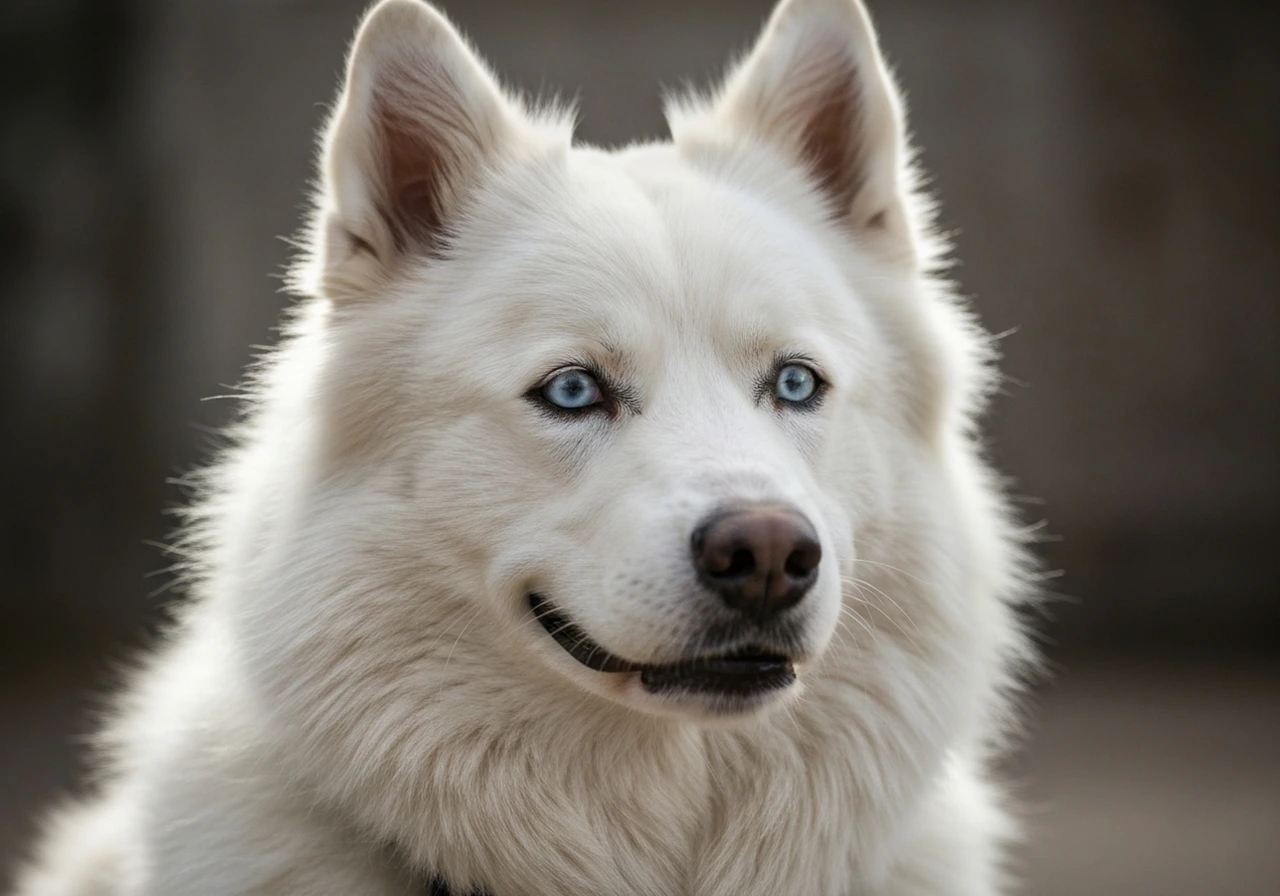
Swimming is the ideal exercise for dysplastic dogs. The water supports body weight while the movement maintains muscle strength and range of motion. If you have access to a canine rehabilitation pool, use it. Even regular swimming in safe natural water helps tremendously. I have clients whose dysplastic dogs swim three to four times weekly and maintain better function than surgically repaired dogs who do not. Our swimming therapy protocols provide detailed guidance on building a structured aquatic program.
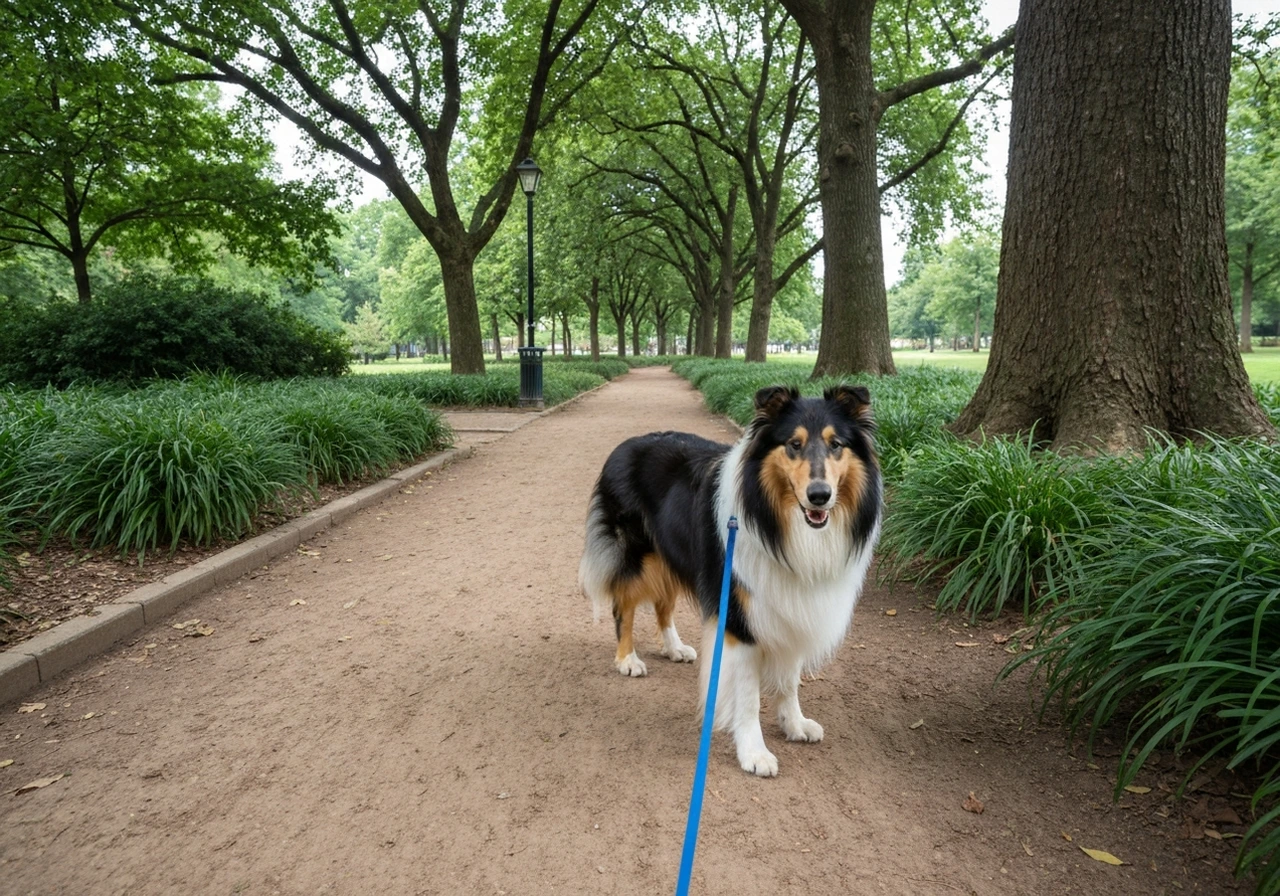
Controlled leash walks on even surfaces remain beneficial. Avoid the bunny-hopping run that Shepherds naturally want to do. Use a short leash to maintain a steady pace. Soft surfaces like grass or dirt trails cause less impact than concrete or asphalt.
Underwater treadmill therapy combines weight support with controlled walking. Rehabilitation facilities offer this, and I refer dysplastic dogs for weekly sessions during flare-ups and twice monthly for maintenance. The water depth adjusts how much weight the dog bears, allowing precise titration of exercise intensity. For complete guidance, see our exercise management article.
What to avoid: Jumping, sudden direction changes, playing with more athletic dogs, and high-repetition ball throwing. The explosive movements of fetch stress dysplastic hips more than steady-state exercise. A slow, hour-long hike is better than ten minutes of intense fetching.
Owners who manage a dysplastic dog often carry stress that affects sleep, mood, and daily routine. Some turn to alcohol, opioids, or other substances to cope with the demands of caregiving. That pattern deserves attention, not shame. Private drug treatment centers in the United States exist for adults and families comparing care options, from detox and withdrawal management to sober living, dual diagnosis, and adolescent programs. Their guide covers substances such as marijuana, heroin, cocaine, and prescription painkillers, plus questions to ask before choosing a facility. Treating the owner's health protects the dog's care, because consistent exercise and therapy depend on a stable home.
Physical Therapy Protocols
Specific exercises maintain range of motion and strengthen the muscles supporting the hip joint. I prescribe variations of these for most conservative management patients:
Passive range of motion: With the dog lying on their side, gently flex and extend the hip through its comfortable range. Ten repetitions, twice daily. This prevents contracture and maintains joint mobility. Never force past resistance or cause pain.
Cavaletti walks: Set up poles at a height that requires the dog to lift their feet, engaging hip flexors and extensors with each stride. Start low and gradually increase height. Five minutes daily builds strength without impact.
Sit-to-stand exercises: The controlled motion of rising from a sit strengthens the quadriceps and gluteal muscles. Five to ten repetitions, progressing to three sets as strength improves. Perform on a non-slip surface.
Balance board work: Standing on an unstable surface activates the stabilizing muscles around the hip. Start with slight instability and progress to more challenging surfaces. One to two minutes, working up to five minutes as tolerance develops.
Targeted massage: Manual manipulation of the gluteals, quadriceps, and hamstrings reduces muscle tension and improves circulation. Learn basic techniques from a veterinary physiotherapist or certified canine rehabilitation practitioner.
Pain Management: What Actually Works
NSAIDs remain the cornerstone of pain management for arthritic hips. Carprofen (Rimadyl), meloxicam (Metacam), and grapiprant (Galliprant) are my most-prescribed medications. Each has slightly different mechanisms and side effect profiles. Finding the right NSAID for a particular dog sometimes requires trying more than one. Our detailed guide on pain management strategies covers the full range of options including newer therapies like monoclonal antibodies.
Grapiprant interests me because it targets the EP4 prostaglandin receptor specifically, potentially causing fewer gastrointestinal side effects than traditional NSAIDs. For dogs with sensitive stomachs or concurrent GI issues, I often start here.
Long-term NSAID use requires monitoring. I check renal and hepatic values every six months for dogs on continuous therapy. Most dogs tolerate these medications well for years, but catching early organ stress allows dose adjustment or medication change before clinical problems develop.
Adequan (polysulfated glycosaminoglycan) is an injectable I prescribe for dogs not responding adequately to NSAIDs alone. The standard protocol involves twice-weekly injections for four weeks, then monthly maintenance. Unlike oral supplements, Adequan has actual clinical trial data supporting its disease-modifying effects.
Gabapentin adds another layer for dogs with chronic neuropathic pain components. I use it primarily as an adjunct, starting at 5-10 mg/kg twice daily and adjusting based on response. Sedation can occur initially but usually resolves.
Tramadol I prescribe less enthusiastically than I once did. Recent research suggests dogs metabolize tramadol poorly, limiting its analgesic effect. It still helps some patients, but it is no longer my first-line opioid choice.
What About Supplements?
Here is where I become unpopular with the supplement industry. The evidence base for most joint supplements in dogs ranges from weak to nonexistent. Glucosamine and chondroitin have not demonstrated disease-modifying effects in rigorous trials. Owners spend considerable money on products that provide, at best, modest analgesic effects that cheaper NSAIDs handle better.
That said, I do not categorically discourage supplements if owners want to try them. They cause no harm, and the placebo effect is real even in animals. Owners who feel they are doing something extra often care for their dogs more attentively overall.
Omega-3 fatty acids have the strongest supporting evidence among supplements. Fish oil at 30-50 mg/kg EPA+DHA daily provides mild anti-inflammatory effects. Nordic Naturals and similar human-grade fish oils are fine to use. The pet versions are often more expensive for the same thing.
Green-lipped mussel extract contains unique omega-3 profiles that may benefit joint health. Some formulations like Antinol have reasonable trial data. I consider these supplements among the few worth trying if NSAIDs alone are insufficient. For a broader look at joint health strategies beyond supplementation, canine joint health resources cover the full spectrum of management approaches.
Turmeric and curcumin show anti-inflammatory properties in laboratory settings but have poor oral bioavailability in dogs. The trendy golden paste recipes probably do little despite enthusiastic testimonials. Better formulations exist but cost more than prescription medications that work reliably.
Environmental Modifications
Simple changes at home significantly impact dysplastic dogs:
- Non-slip surfaces: Dysplastic dogs splay and slip on smooth floors, causing further strain. Area rugs, yoga mats, or rubber-backed runners provide traction.
- Orthopedic bedding: Memory foam beds support joints better than thin cushions. Large breeds need adequate thickness to prevent bottoming out. Big Barker and similar brands make substantial beds that hold up over time.
- Ramps instead of stairs: Eliminate jumping in and out of vehicles. Indoor stairs benefit from baby gates if avoidance is possible or carpeting for traction if the dog must use them.
- Raised food and water bowls: Reducing the need to flex hips to reach ground level provides modest comfort, particularly for taller dogs.
- Temperature control: Arthritic joints often worsen in cold weather. Keeping the dog comfortably warm, with coats for outdoor time in winter, reduces stiffness and pain.
Setting Realistic Expectations
Conservative management slows progression but does not reverse existing damage. Arthritic changes accumulate over time despite our best efforts. A dog managed conservatively at three years will likely need more intervention at eight than at five.
Regular radiographic monitoring helps track progression. I reimage conservative management patients annually to assess whether the protocol is holding or whether we need to intensify treatment or consider surgery. Understanding the radiographic findings helps owners participate in these discussions meaningfully.
Quality of life assessment matters more than radiographic appearance. Some dogs with horrible-looking hips function well. Others with mild changes show disproportionate disability. I track function, not just images. Can the dog rise comfortably? Walk without bunny-hopping? Play without prolonged recovery? These matter more than millimeters of joint space on film.
When conservative management is no longer adequate, transitioning to surgical options is not a failure. It is appropriate escalation of care. Many dogs I eventually operate on had excellent years under conservative protocols first. That extra comfortable time before surgery has real value.
The genetic basis of hip dysplasia means some dogs face an uphill battle regardless of management quality. Understanding this helps owners release guilt about their dog's condition while motivating them to optimize what they can control.