The question I hear most often from owners of dysplastic dogs is whether surgery will help. The honest answer is that it depends. Surgery is not a magic solution, and the wrong procedure at the wrong time creates more problems than it solves. After performing several hundred hip surgeries on Shepherds and herding breeds, I have learned which dogs benefit most from which approaches. Dedicated deep dives on FHO outcomes in shepherd breeds and on regenerative stem cell therapy cover those specific options in more detail.
When Surgery Becomes Necessary
I operate when conservative management fails or when the pathology is severe enough that waiting will only worsen outcomes. A young dog with moderate dysplasia that no longer responds to NSAIDs, weight management, and physical therapy is a surgical candidate. An older dog with severe arthritis causing daily suffering despite optimized pain management needs intervention regardless of what we tried before.
The decision tree matters. I never operate on a dog that has not tried at least eight weeks of proper conservative management unless the radiographs show complete luxation or severe mechanical failure. Too many dogs arrive at my practice having been told they need surgery when basic weight loss and appropriate exercise modification would have given them comfortable years.
Conversely, I have seen dogs struggle for years under conservative protocols when earlier surgical intervention would have spared them significant suffering. The judgment call lies in recognizing when we have optimized everything modifiable and the joint itself remains the problem.
Femoral Head Ostectomy: The Workhorse Procedure
FHO removes the femoral head and neck entirely, eliminating bone-on-bone contact. The body forms a fibrous pseudoarthrosis, a false joint of scar tissue that allows pain-free movement. This sounds brutal, and the first time I performed one, I questioned whether it could possibly work. It works remarkably well in the right patients.
I favor FHO for dogs under about 50 pounds, though I have performed it successfully on Shepherds up to 80 pounds with good outcomes. Body weight matters because the pseudoarthrosis must support the load during activity. Lean, muscular dogs do better than heavy ones. The surrounding musculature becomes critical for stability, so dogs with good muscle mass preoperatively recover faster and more completely.
Surgical technique matters enormously. I use an oscillating saw to make a clean osteotomy at the base of the femoral neck, taking care to preserve the greater trochanter and its muscle attachments. Some surgeons still use osteotomes and bone cutters, which creates more trauma and a rougher cut surface. The saw costs more in equipment, but the dogs heal faster.
Cost is FHO's major advantage. Equipment requirements are minimal, operative time is shorter than for THR, and the dog goes home the same or next day. At current pricing, an FHO runs between 1,500 and 3,000 dollars depending on region and practice. That is roughly a third of THR cost.
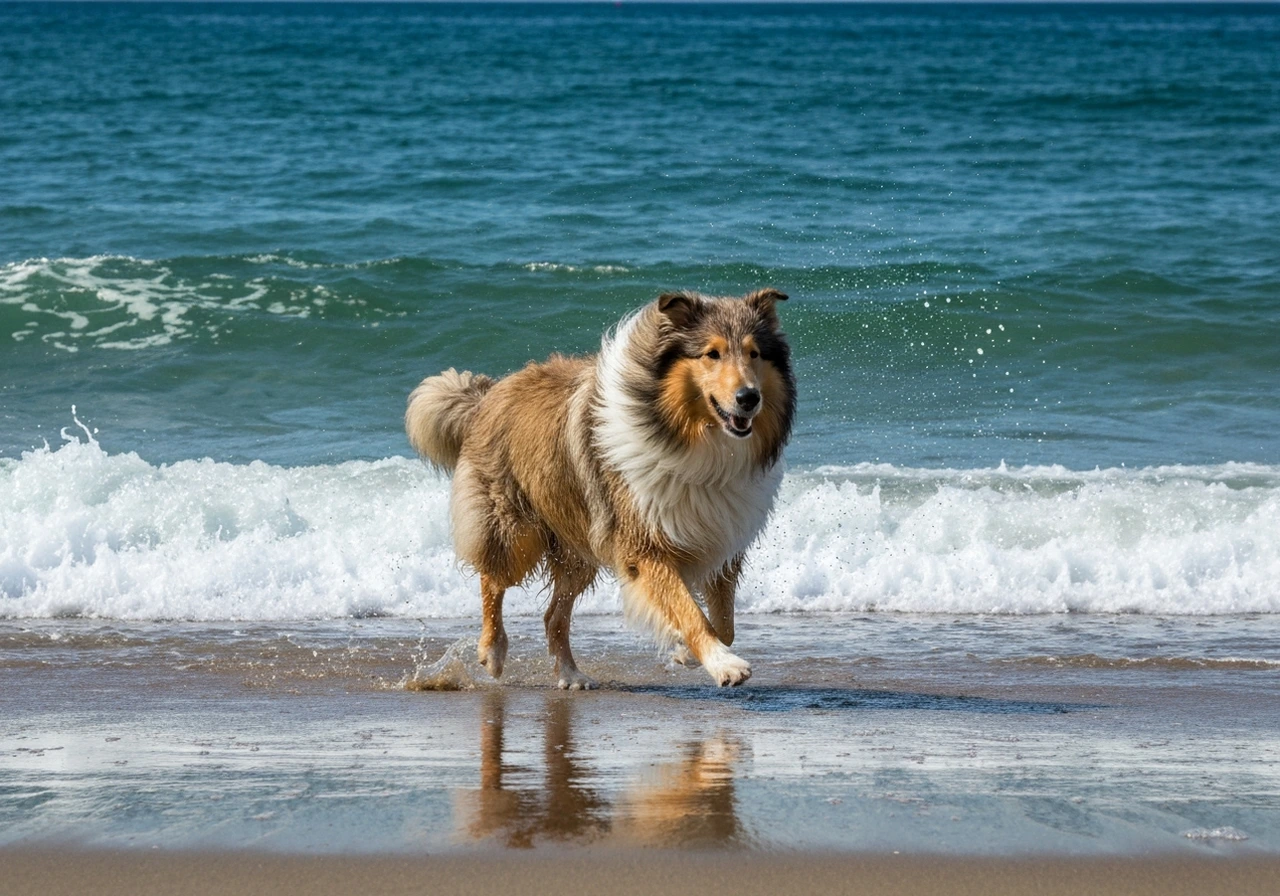
The limitation is athletic performance. An FHO dog can hike, swim, and enjoy daily activity with appropriate exercise modifications, and structured swimming therapy is particularly beneficial for FHO patients building their pseudoarthrosis. A working dog returning to demanding physical tasks, such as police work or competitive herding, needs more than FHO can provide. For working dogs, I recommend total hip replacement.
Triple Pelvic Osteotomy: Catching Dysplasia Early
TPO is the procedure I wish I could perform more often. It involves making three precise cuts in the pelvis and rotating the acetabular segment to provide better femoral head coverage. Done correctly, it converts a dysplastic hip into a functional one, preserving the natural joint rather than replacing it.
The catch is timing. TPO only works in young dogs before significant arthritis develops. Ideally, I want to see these patients between five and twelve months of age. By eighteen months, most dysplastic hips have enough secondary changes that TPO becomes inappropriate. The acetabular reorientation does nothing if the cartilage is already damaged.
I use locking bone plates from Synthes or similar manufacturers for fixation. The older non-locking systems had higher complication rates from screw loosening. Modern locking plate technology has made TPO more reliable, though it remains technically demanding surgery that requires specific training.
Double pelvic osteotomy, a newer modification, makes only two cuts instead of three. DPO preserves the pelvic floor and may reduce complications. My results with DPO have been comparable to TPO with shorter operative times. I have largely transitioned to DPO for appropriate candidates.
Cost runs between 3,000 and 5,000 dollars per hip. Most dysplastic dogs have bilateral involvement, so families should anticipate potentially staging two surgeries. I typically wait six to eight weeks between sides to allow recovery and ensure the first fixation is stable before operating on the second hip.
Total Hip Replacement: The Gold Standard
THR replaces the diseased joint with prosthetic components. A metal stem fits into the femoral canal, topped with a ceramic or metal head that articulates with a polyethylene cup fixed into the acetabulum. It is major surgery with higher costs and risks, but nothing else restores normal hip function as completely.
I prefer BioMedtrix systems for most cases. Their cemented and cementless options give flexibility depending on bone quality. For young dogs with good bone density, I use press-fit cementless components that allow bony ingrowth. For older dogs or those with compromised bone, cemented fixation provides immediate stability.
Kyon systems from Switzerland offer an alternative with different design philosophy. Some surgeons swear by them. I trained on BioMedtrix and have a decade of follow-up data with their components, so I continue using what I know works. The best implant system is the one your surgeon uses expertly.
THR costs between 6,000 and 10,000 dollars per hip at most referral centers. The price reflects implant costs, specialized equipment, and the expertise required. Cheaper options exist, but cutting corners on joint replacement invites catastrophic failure. This is not the place to bargain hunt.
Complication rates in experienced hands run around five to eight percent. The serious complications are luxation, infection, and implant loosening. Luxation, where the prosthetic head dislocates from the cup, usually occurs within the first three months when the surrounding tissue capsule is still healing. Strict activity restriction during post-operative recovery prevents most luxations.
Juvenile Pubic Symphysiodesis: The Early Intervention
JPS is a prophylactic procedure I perform on puppies between twelve and twenty weeks with positive Ortolani signs. Using electrocautery, I fuse the pubic symphysis growth plate, which causes the pelvis to develop with more acetabular coverage as the dog grows. It is minor surgery with major potential impact.
The window is narrow. After about five months, the symphysis has contributed most of its growth potential, and closure has minimal effect. This means we need early screening and hip evaluation to identify candidates. Puppies from high-risk lines should be examined and assessed for laxity before sixteen weeks.
JPS does not cure dysplasia. It improves coverage and may prevent clinical disease in dogs that would otherwise become symptomatic. Studies show reduced dysplasia progression in treated puppies compared to untreated littermates. For a ten-minute, 500-dollar procedure, that is a remarkable return on investment.
Patient Selection: Matching Dog to Procedure
I make recommendations based on several factors:
- Age: Puppies under twelve months with laxity but no arthritis are TPO or JPS candidates. Dogs over eighteen months generally need FHO or THR depending on size and expectations.
- Body weight: Dogs under 50 pounds do well with FHO. Dogs over 80 pounds really need THR for reliable weight-bearing. The middle range requires individual assessment.
- Activity goals: Pets returning to normal household activity can succeed with FHO. Working dogs or performance animals benefit from THR's superior biomechanics.
- Bilateral involvement: If both hips need intervention, I consider staging, costs, and which hip is worse. Sometimes we fix the worst hip and manage the other conservatively.
- Concurrent conditions: Dogs with neurological issues, particularly the degenerative myelopathy common in German Shepherds, may not be surgical candidates regardless of hip pathology.
The Failures I Have Seen
Honesty about complications helps owners make informed decisions. I have had THR luxations requiring revision surgery. I have seen infections develop weeks after apparently clean procedures. I have watched FHO patients struggle with weight bearing because their muscle mass was inadequate before surgery.
The hardest conversation is when surgery fails despite doing everything correctly. Sometimes bone does not heal. Sometimes the body rejects implants. Sometimes a dog tears its pseudoarthrosis loose with overactivity during recovery. These outcomes are rare but real, and owners deserve to know the risks before committing.
What I can promise is that I will not recommend surgery unless I believe it offers the dog a better outcome than conservative management alone. The satisfaction of watching a formerly crippled Shepherd run across a field after successful THR is immense. But that outcome is not guaranteed, and surgery should never be undertaken lightly.
Questions to Ask Your Surgeon
Before proceeding with any hip surgery, ask these questions:
- How many of this specific procedure have you performed in the past year?
- What is your complication rate, and what complications have you seen?
- Which implant system do you use and why?
- What does your post-operative protocol look like?
- Who provides emergency coverage if problems develop after hours?
- What is the total cost including follow-up radiographs and physical therapy?
A surgeon who becomes defensive about these questions is not the surgeon you want inside your dog. Competent orthopedic surgeons welcome informed owners and answer honestly about both capabilities and limitations.
Understanding the genetic factors that lead to hip dysplasia also helps owners make better decisions about breeding and prevention for future generations.