The difference between detecting hip dysplasia at four months versus twenty-four months is the difference between having options and accepting inevitability. I have performed juvenile pubic symphysiodesis on puppies who went on to live normal, active lives. I have operated on adult dogs whose owners wish someone had evaluated their hips years earlier. Early detection is not about creating worry. It is about creating opportunity.
Too many owners assume their German Shepherd puppy is fine because it runs and plays without apparent problems. Too many breeders send puppies home with assurances that both parents had OFA clearances, as if that guarantees anything. Hip dysplasia is a developmental condition, and development can go wrong even in puppies from the best bloodlines. Screening is the only way to know.
When to Screen: The Windows of Opportunity
The timing of hip evaluation affects both what we can learn and what we can do with the information. Several distinct windows matter:
12 to 16 weeks: This is the earliest window for meaningful assessment. Physical examination can detect hip laxity through palpation and the Ortolani test. PennHIP evaluation becomes reliable around 16 weeks. If significant laxity is present, juvenile pubic symphysiodesis can be performed before 20 weeks to influence pelvic development.
16 to 20 weeks: The window for JPS is closing. If a puppy shows significant laxity, the decision about JPS must be made quickly. PennHIP evaluation at this age provides excellent predictive information.
5 to 10 months: Triple pelvic osteotomy or double pelvic osteotomy becomes the primary surgical option for puppies with lax hips. These procedures can only be performed before skeletal maturity and before significant arthritic changes develop.
12 to 18 months: The window for TPO/DPO is narrowing. Skeletal maturity approaches. Dogs with moderate laxity may still be candidates, but those with developing arthritis are not.
24 months and beyond: OFA certification becomes available. By this age, the hip has reached final conformation. We can assess the phenotype but can no longer influence development. Treatment options shift to conservative management or salvage procedures like FHO and THR.
The Ortolani Test: What I Feel With My Hands
Before any radiograph, I examine every shepherd puppy's hips with my hands. The Ortolani test is the most valuable clinical assessment for hip laxity, and it can be performed on puppies as young as eight weeks.
The test requires sedation or deep relaxation. With the puppy on their back, I apply pressure along the femoral axis while simultaneously pushing the femur dorsally. In a normal hip, nothing happens. The femoral head stays seated in the acetabulum.
In a dysplastic hip, the pressure subluxates the femoral head, pushing it partially out of the socket. Then, as I abduct the leg outward, I feel a distinct clunk as the head reduces back into position. That clunk is the Ortolani sign. When I feel it in a young puppy, I know that hip has laxity that may or may not become clinical dysplasia.
The Ortolani test tells me something radiographs at this age cannot. A sixteen-week-old puppy's hip radiograph may appear completely normal even when significant laxity is present. The secondary bony changes that make dysplasia visible on X-rays take months to develop. By the time they are visible, early intervention options have passed.
Signs Owners Can Watch For
While definitive diagnosis requires veterinary examination and imaging, owners can watch for early warning signs that should prompt evaluation:
- Bunny hopping: Moving both rear legs together when running rather than alternating normally. Puppies sometimes do this occasionally, but consistent bunny hopping deserves attention.
- Clicking sounds: Audible clicks or pops from the hip area during movement. This can indicate subluxation events as the femoral head moves abnormally.
- Reluctance to climb: Hesitation before stairs, jumping, or getting into vehicles. Puppies are usually fearless about such obstacles. Hesitation may indicate hip discomfort.
- Sitting posture: Puppies with hip discomfort often sit with their legs splayed to the side rather than tucked neatly under. Watch how your puppy positions themselves.
- Reduced activity: A puppy who tires quickly, prefers to lie down during play, or shows decreased enthusiasm for physical activity may be protecting uncomfortable joints.
- Sensitivity to touch: Reaction when the hip area is touched or manipulated. Puppies should not be reactive to gentle handling of their rear legs.
None of these signs definitively indicates hip dysplasia. Puppies are clumsy. They have growing pains. They get tired. But multiple signs, or any sign that persists, warrants professional evaluation.
The Case for Routine Screening
I advocate for routine hip screening of all at-risk breeds regardless of whether clinical signs are present. The argument is simple:
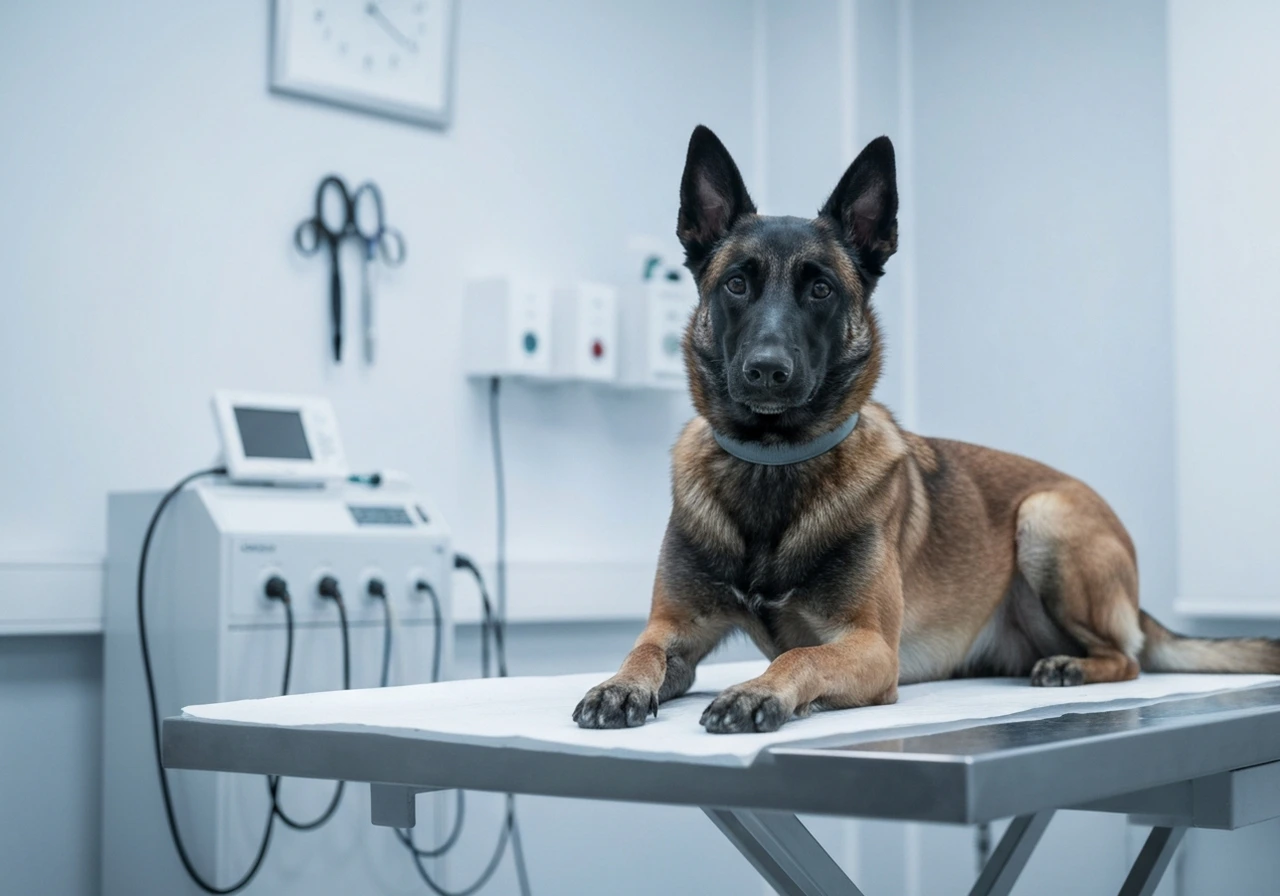
Puppies with lax hips who are identified early can receive interventions that improve their outcomes. JPS is a ten-minute, 500-dollar procedure that can prevent thousands of dollars in future treatment and years of potential suffering. TPO caught in time preserves the natural joint rather than requiring replacement later.
Puppies with lax hips who are not identified early lose these options. By the time they develop symptoms and are evaluated, the windows have closed. We are left with conservative management or salvage surgery.
The cost of screening is trivial compared to the cost of treating advanced hip dysplasia. A PennHIP evaluation runs 300 to 500 dollars. A total hip replacement runs 6,000 to 10,000 dollars. The math favors screening.
More importantly, the cost in canine quality of life favors screening. A dog who receives JPS at four months and lives normally has a dramatically different life experience than a dog who develops severe arthritis by age five and struggles for years before surgery.
What Screening Actually Involves
For a puppy at high risk, I recommend the following screening protocol:
Eight to twelve weeks: Initial veterinary examination including observation of gait and manual hip palpation. Not all puppies tolerate the Ortolani test at this age without sedation, but preliminary assessment is possible.
Sixteen weeks: If any concerns exist from initial examination, or for breeds with very high prevalence, sedated Ortolani testing and PennHIP evaluation. This allows identification of puppies who might benefit from JPS.
Six months: Follow-up evaluation for puppies who showed borderline findings. PennHIP at this age confirms or refines earlier assessment. Dogs with significant laxity begin discussion of TPO/DPO.
Twelve months: For dogs not previously evaluated or for those with borderline findings, repeat assessment. Final decisions about TPO/DPO eligibility.
Twenty-four months: OFA evaluation for breeding dogs or for baseline documentation. By this age, we are assessing the final phenotype rather than predicting development.
The Role of the Breeder
Responsible breeders participate in early detection. Some breeders have puppies evaluated before placement, providing new owners with baseline information. Others require buyers to complete screening at specific ages and share results.
If you are buying a shepherd puppy, ask the breeder:
- Have the puppies been examined for hip laxity before sale?
- What are the hip scores of both parents and their siblings?
- What is the breeder's experience with hip dysplasia in their lines?
- What support does the breeder provide if hip problems develop?
Breeders who dismiss these questions or become defensive are not the breeders you want producing your puppy. The genetics of hip dysplasia are complex enough that even excellent breeders sometimes produce affected puppies. Our article on breeding selection and genetic testing explains how the best programs use data to minimize this risk. What matters is how they respond to that reality.
Buyers considering a giant breed should ask the same questions with more urgency. Our guide to dysplasia screening for giant breeds adapts this checklist to dogs whose size leaves less room for error.
Acting on Early Detection
What happens when screening reveals a problem? That depends on the findings and the timing:
Positive Ortolani at 12-16 weeks: Consider PennHIP evaluation to quantify laxity. Discuss JPS if laxity is significant. Begin environmental optimization including strict weight control, appropriate exercise restriction, and nutrition protocols designed to support skeletal development.
High DI on PennHIP at any age: Evaluate eligibility for TPO/DPO if under 12 months. Implement conservative management protocols. Plan for potential future needs. Consider that this dog should not be bred.
Radiographic changes at 24 months: The developmental window has closed. Focus shifts to managing the condition that exists. Early conservative management remains valuable even at this stage.
Normal findings: Celebrate. Continue normal activity with attention to weight and exercise. Repeat evaluation only if clinical signs develop.
The Bottom Line
Early detection changes outcomes. The difference between a dog identified and treated at four months and a dog diagnosed at four years is often the difference between a normal life and a limited one.
I understand that screening costs money and takes time. I understand that not every owner wants to contemplate the possibility that their beautiful puppy has a structural problem. But ignorance does not change reality. It just delays your awareness of it.
If you own a German Shepherd, Australian Shepherd, or any breed with significant hip dysplasia prevalence, screen early. At minimum, have a veterinarian perform the Ortolani test at your first puppy visit. If any laxity is detected, pursue PennHIP evaluation. If significant laxity is found, discuss intervention options before the windows close.
Your puppy cannot advocate for themselves. Early detection is how you advocate for them.
In a young, high-energy herding breed, watch the small asymmetries before they become obvious lameness: a hind leg that drifts outward when standing, a reluctance to rise after rest, a shortened stride on turns, or a preference for one side when lying down. These dogs mask discomfort well, so compare gait after exercise and again the next morning. If you are still choosing a breed, read these kelpie and cattle dog profiles to understand how their working drive shapes daily management. Early observation, not waiting for a limp, gives you the most room to adjust exercise and weight.
When a small breed starts limping, do not wait for it to resolve on its own. Examine the dog the same day if the limp is sudden, if the limb is held up, or if the dog refuses to bear weight. For a mild, intermittent limp, schedule a veterinary visit within 24 to 48 hours. Small breeds carry their own orthopedic risks, including patellar luxation and Legg-Perthes disease, and early palpation and imaging change the options available. Owners researching a breed's background can read this clinical overview of the Russkiy Toy pedigree and health checks before assuming a limp is simple.