Total hip replacement in dogs is one of the most successful procedures in veterinary orthopedic surgery. When performed by an experienced surgeon in an appropriate candidate, it consistently returns dogs to comfortable, active lives that other treatments cannot achieve. It is also major surgery with real risks, significant cost, and a demanding recovery period. Owners who understand what they are committing to make better decisions and better partners in recovery.
I perform total hip replacements regularly. The conversations I have with owners before surgery are as important as the surgery itself. Unrealistic expectations lead to premature abandonment of recovery protocols, unnecessary alarm over normal healing events, and disappointment when outcomes, though excellent by any objective measure, do not match fantasy. Let me give you the honest picture.
Who Is a Candidate for Total Hip Replacement
Not every dysplastic dog needs or should receive a total hip replacement. The procedure is reserved for dogs where the hip dysfunction is causing significant pain and functional impairment that cannot be adequately managed through conservative management.
Ideal candidates share several characteristics. They are skeletally mature, typically over ten to twelve months of age, since the implants require mature bone for secure fixation. They are otherwise in good health, as the general anesthesia required is lengthy and the procedure itself is demanding. They have adequate bone quality and quantity to support the implant components.
Dogs with neurological deficits affecting the hindlimbs, active joint infection, or severe muscle atrophy may not be appropriate candidates. Dogs with bilateral dysplasia, both hips affected, may ultimately require bilateral replacement, typically staged six to twelve weeks apart.
Choosing the Right Surgeon and Facility
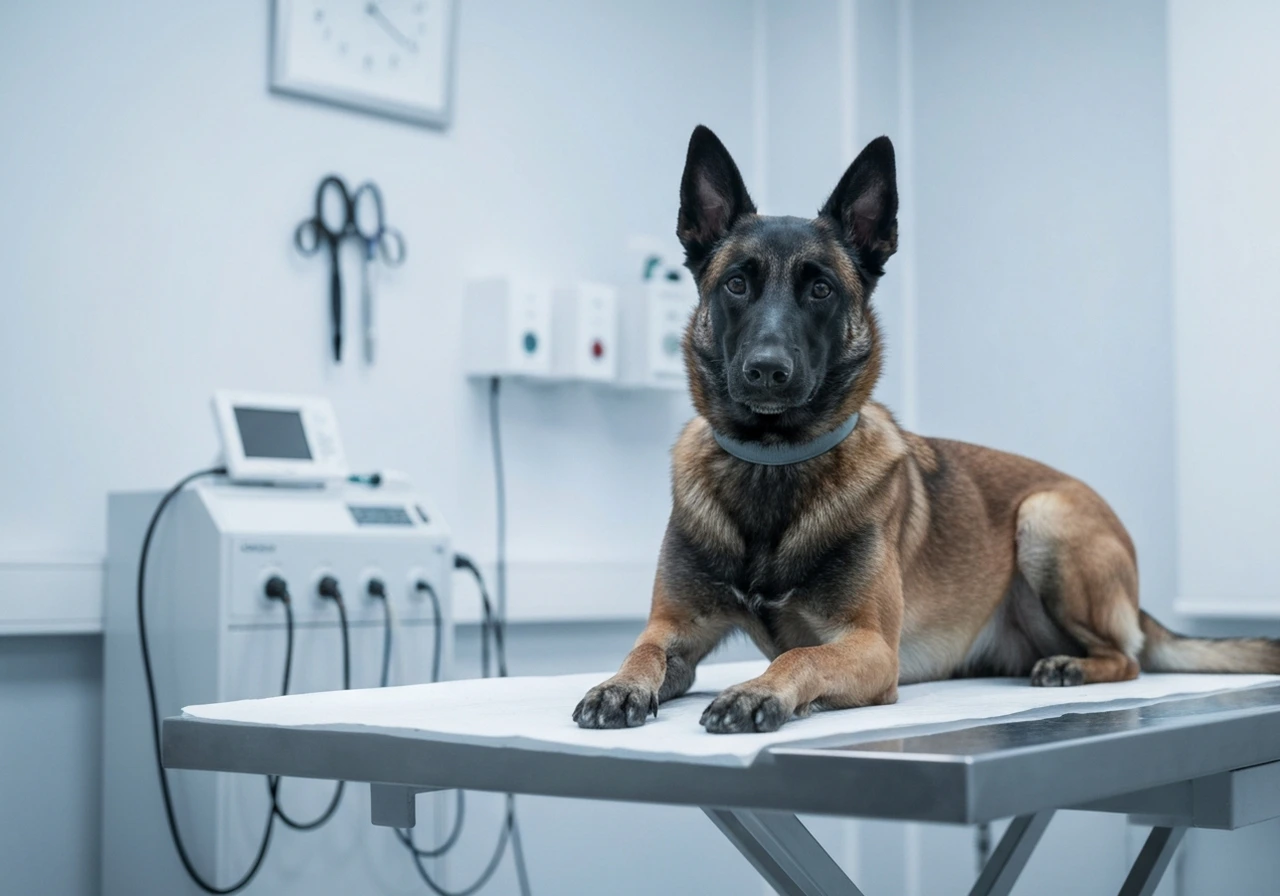
Total hip replacement is not a procedure that general practitioners perform. It requires specialized training, specialized equipment, and a team experienced in orthopedic surgical procedures and their complications. Seek out a board-certified veterinary surgeon with documented experience specifically in canine total hip replacement. Ask how many procedures they perform annually and what their complication rate is.
The implant system used matters as well. The two most common systems in veterinary medicine are the BioMedtrix cementless system, used in larger dogs, and various cemented systems. Your surgeon will discuss which system is appropriate for your dog's size and bone quality. Whatever system is selected, the outcome depends far more on surgical technique and patient selection than on implant brand.
Pre-Operative Preparation
In the weeks before surgery, your dog should be in the best possible physical condition. If the dog is overweight, weight loss before surgery reduces intraoperative risk and post-operative stress on the implant. A dog at ideal body weight heals better than an obese one.
Complete blood work, urinalysis, and often cardiac evaluation are performed before any major surgery. Any concurrent health issues, dental disease, skin infections, urinary tract infections, should be resolved before surgery to reduce infection risk. Bacterial seeding of a joint implant, even from a distant infection, is a catastrophic complication.
Prepare your home environment before surgery. The dog will need a confined recovery space, ideally with easy access to outdoor elimination areas that do not require stairs. Non-slip surfaces throughout the recovery area are essential. Gather or purchase any assistive equipment your surgeon recommends, slings, ramps, or orthopedic bedding, before the dog comes home.
The Surgery Itself
Total hip replacement involves removing the existing femoral head and acetabulum and replacing them with precision-manufactured metal and polymer components. The surgery takes approximately ninety minutes to two hours per hip under general anesthesia.
The femoral component is a metallic stem inserted into the femoral canal with a ball on top. The acetabular component is a cup seated into the reamed acetabulum. In cementless systems, these components achieve initial stability through precise press-fit and develop long-term stability as bone grows into their porous surfaces. In cemented systems, bone cement provides immediate and long-term fixation.
The new joint surfaces glide against each other with minimal friction and perfect geometry. The pain from the dysplastic joint is immediately eliminated because that joint no longer exists. What remains is the recovery from surgery itself, tissue healing, muscle rebuilding, and neurological adaptation to the new joint.
The Recovery Timeline
Recovery from total hip replacement requires patience that many owners underestimate. The surgery corrects the joint instantly, but the dog does not know that. The nervous system has spent months or years learning to protect a painful joint. The muscles have atrophied. The compensatory patterns are deeply ingrained. Undoing all of that takes time.
Weeks one to two: Strict crate rest with controlled leash walks only for elimination. The dog will likely use the limb minimally. This is normal. Pain management is aggressive. The goal is healing, not walking.
Weeks three to six: Gradually increasing controlled leash walks. No running, jumping, or stairs. Passive range of motion exercises begin. Physiotherapy assessment and early rehabilitation exercises are typically introduced around week four.
Weeks seven to twelve: Progressive increase in exercise duration and complexity. Most dogs are walking comfortably on the operated limb. Some dogs are swimming under supervision at rehabilitation facilities.
Three to six months: Return to normal activity is progressive. Most dogs achieve full function by four to five months. Some, particularly older dogs or those with significant pre-surgical muscle atrophy, take longer.
Ongoing: The implant is designed to last the dog's lifetime. Annual radiographic monitoring to check implant position and bone integration is recommended. Avoiding extreme impact activities, repetitive jumping and hard-surface running, extends implant longevity.

Potential Complications
Total hip replacement has a complication rate of approximately ten to fifteen percent across all cases, with serious complications requiring revision surgery in roughly five percent. Understanding potential complications helps you recognize problems early if they occur.
Luxation: The most common complication, the replaced femoral head dislocates from the acetabular cup. This is most likely in the early post-operative period before soft tissue healing has stabilized the joint. It presents as sudden non-weight-bearing and requires immediate veterinary attention. Most luxations can be reduced and resolved with appropriate management.
Infection: Deep implant infection is the most feared complication and often requires implant removal. Strict attention to wound care, monitoring for systemic signs of infection, and avoiding elective procedures that create bacteria during the months after surgery minimizes this risk.
Implant loosening: Long-term loosening of the femoral or acetabular component is uncommon with modern implants but can occur. Progressive changes on radiographs indicate loosening before it becomes clinically apparent.
Cost and the Financial Conversation
Total hip replacement is expensive. Costs vary by region and facility but typically range from six thousand to ten thousand dollars per hip in the United States, including pre-surgical workup, surgery, hospitalization, and follow-up imaging. Bilateral replacement, when both hips are affected, doubles this cost.
This is a significant financial commitment that not every family can make, and there is no shame in that reality. Alternatives exist. Femoral head and neck ostectomy, described in our surgical options guide, provides a pain-free joint at a fraction of the cost with lower functional outcomes. Aggressive conservative management can provide acceptable quality of life for many dogs. The right choice depends on your dog's specific situation and your circumstances.
Pet insurance purchased before diagnosis can cover a significant portion of these costs. For those without insurance, some veterinary schools offer total hip replacement at reduced cost through their surgical residency programs.
Life After Total Hip Replacement
Dogs who have recovered successfully from total hip replacement are often unrecognizable from their pre-surgical selves. Dogs that struggled to stand, that cried when lying down, that stopped engaging with the world, come back to life. The procedure reliably eliminates the pain of the dysplastic joint because that joint no longer exists.
I follow some of my total hip replacement patients for years. They hike, swim, play fetch, and do all the things German Shepherds and other shepherd breeds were bred to do. The commitment to surgery and recovery is substantial. For dogs who are appropriate candidates and owners who can make that commitment, the outcome justifies it.