If you take nothing else from this article, take this: keeping your dysplastic dog lean will do more for their quality of life than any supplement, medication, or piece of equipment you can buy. I have watched hundreds of hip dysplasia cases over twenty-five years, and the single best predictor of long-term outcome is body condition. Not the severity on radiographs. Not the age of onset. Body weight relative to ideal.
The Purina Lifetime Study, which followed 48 Labrador Retrievers from puppyhood to death, demonstrated this with remarkable clarity. Dogs maintained at lean body condition developed radiographic evidence of hip osteoarthritis a median of three years later than their overfed littermates. Three years. That is roughly a quarter of a large breed dog's lifespan, gained or lost based on how much food goes in the bowl.
The Biomechanics of Excess Weight
Understanding why weight matters requires understanding the forces acting on a dysplastic hip. During normal walking, the hip joint bears approximately three to four times the dog's body weight with each stride. During trotting, that multiplier increases to five or six times. A German Shepherd at their ideal 75 pounds generates 225 to 300 pounds of force through each hip per walking step.
Now add ten pounds of excess weight. That seemingly modest amount translates to 30 to 40 additional pounds of force per step during walking and 50 to 60 during trotting. Over a typical day involving several thousand strides, the cumulative additional loading is enormous. In a joint already compromised by poor conformation, this accelerated wear grinds away cartilage that cannot regenerate.
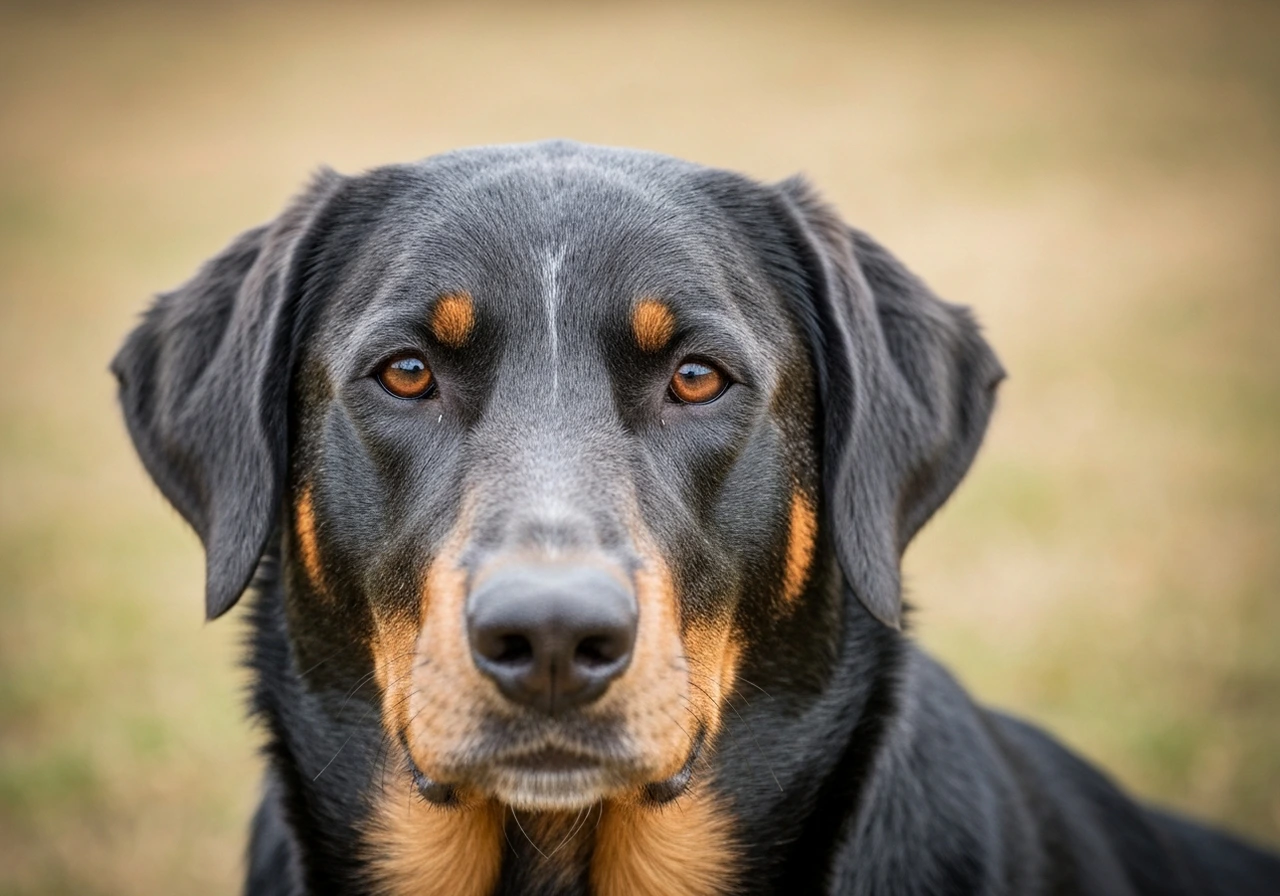
The dysplastic hip compounds this problem because the femoral head does not sit deeply in the acetabulum. Force that should distribute evenly across a broad contact area instead concentrates on a smaller surface. The cartilage in that contact zone endures higher pressure per square millimeter. Every excess pound narrows the margin between a joint that functions and one that degrades rapidly.
Assessing Body Condition Accurately
Most owners of overweight dogs do not recognize the problem. Studies consistently show that owners underestimate their dog's body condition by one to two points on a nine-point scale. When I tell owners their Shepherd is overweight, the most common response is surprise followed by denial.
The body condition score system uses a 1-to-9 scale where 1 is emaciated and 9 is morbidly obese. A score of 5 represents ideal condition for most dogs. For dysplastic dogs, I prefer a 4 to 4.5, slightly leaner than the general recommendation. That thin margin measurably reduces joint stress.
What ideal looks like: Run your hands along the ribcage. You should feel each rib under a thin layer of fat without pressing hard. Looking down from above, there should be a visible waist behind the ribs, an indentation before the hips. From the side, the abdomen should tuck up noticeably behind the ribcage. If you cannot feel ribs without significant pressure, or if there is no visible waist, the dog needs to lose weight.
Weighing alone is inadequate because ideal weight varies enormously within a breed. I have seen healthy German Shepherds ranging from 60 to 95 pounds depending on their frame. A scale number without body condition assessment is meaningless. Your veterinarian should assign a body condition score at every visit, and you should learn to assess it yourself between visits.
Calculating Caloric Needs for Weight Loss
Weight loss in dogs follows the same thermodynamics as in humans: calories consumed must be less than calories expended. The difference is that dogs cannot make their own food choices. Every calorie that enters a dog's body is placed there by a human. This means weight management is entirely within owner control, which is both empowering and uncomfortable.
Resting energy requirement (RER) for dogs is calculated as 70 multiplied by the ideal body weight in kilograms raised to the 0.75 power. For weight loss, I typically prescribe 80% of RER based on ideal weight, not current weight. This creates a deficit that produces gradual, sustainable loss of 1-2% body weight per week.
For a German Shepherd whose ideal weight is 34 kilograms (75 pounds) but who currently weighs 40 kilograms (88 pounds), the calculation targets approximately 740 calories per day during active weight loss. This surprises many owners who have been feeding twice that amount.
Measure food precisely. Use a kitchen scale, not a measuring cup. Kibble density varies between brands, and cups are notoriously inconsistent. I have had owners bring in their measuring cup and demonstrate their "one cup" serving, only to find they were actually dispensing 1.3 to 1.5 cups. Over months, that 30-50% excess adds pounds steadily.
Diet Selection for Dysplastic Dogs
Not all calories are equal when managing a dysplastic dog. The ideal diet provides adequate protein to maintain muscle mass, moderate fat for palatability and essential fatty acid delivery, and controlled calories to achieve or maintain lean condition.
Veterinary weight management diets like Hill's Metabolic, Royal Canin Satiety, or Purina OM are formulated with lower caloric density and higher fiber to promote satiety while restricting calories. These allow you to feed a reasonable-looking portion that still achieves caloric restriction. Dogs on these diets beg less than dogs receiving tiny portions of regular food.
Joint-support formulations such as Hill's j/d, Royal Canin Mobility Support, and Purina JM combine caloric management with supplemental omega-3 fatty acids, typically from fish oil sources. The EPA and DHA content provides modest anti-inflammatory effects. These are reasonable choices for dysplastic dogs who also need weight management, combining two goals in one diet. For a deeper look at the evidence behind joint supplements and dietary approaches, the research review at Canine Joint Health provides thorough analysis of what the clinical data actually supports.
Omega-3 supplementation deserves specific mention. Fish oil at 30-50 mg/kg EPA+DHA daily provides anti-inflammatory benefits independent of any weight management diet. If feeding a non-supplemented food, adding a quality fish oil is among the few supplements I recommend with confidence. The anti-inflammatory effect is modest but real and essentially risk-free.
Protein adequacy matters. During weight loss, protein needs actually increase to preserve lean muscle mass. I aim for diets providing at least 25-30% protein on a dry matter basis. Losing muscle along with fat is counterproductive because muscle is what stabilizes the dysplastic hip. A dog that loses weight but also loses muscle ends up worse, not better.
The Treat Problem
Treats are the silent saboteur of every weight management plan. Owners who carefully measure meals then hand out treats throughout the day can easily add 200-400 unaccounted calories. A single large milk bone contains about 115 calories. Three of those daily represents 15-20% of a German Shepherd's weight loss caloric budget, entirely unaccounted for.
I do not demand that owners eliminate treats entirely. That is unrealistic and damages the training relationship. Instead, I ask for three changes: count treat calories as part of the daily budget and reduce meals accordingly, switch to low-calorie options like baby carrots, green beans, or small pieces of apple, and reduce treat size dramatically. Dogs respond to the frequency of rewards, not the size. A tiny piece of cheese generates the same dopamine response as a large biscuit.
The family coordination problem also deserves mention. The person managing the diet may be meticulous, but if a spouse, child, or grandparent sneaks food to the dog, the plan fails. Every household member must understand that overfeeding a dysplastic dog causes direct, measurable harm. This is not about being strict for its own sake. It is about reducing physical suffering.
Exercise During Weight Loss
Caloric restriction handles the input side. Exercise addresses the output side while simultaneously maintaining the muscle mass that supports compromised joints. The challenge with dysplastic dogs is selecting activities that burn calories without stressing the hips.
Swimming remains the gold standard. Water supports body weight completely while the dog works all major muscle groups. A thirty-minute swimming session burns significant calories with zero joint impact. If you have access to a canine rehabilitation pool or safe natural water, make swimming the cornerstone of your weight management exercise program. Our swimming therapy protocols provide week-by-week progression plans tailored to dysplasia severity. Our detailed exercise management guide covers specific protocols for different disease stages.
Controlled leash walks on soft surfaces remain beneficial during weight loss. Avoid the temptation to increase walk duration dramatically in hopes of faster results. Gradual increases of five to ten minutes weekly allow the joints to adapt. Multiple shorter walks distribute exercise throughout the day and burn more total calories than one long session that leaves the dog limping.
Underwater treadmill sessions, available through veterinary rehabilitation facilities, combine weight support with controlled walking. The water depth adjusts how much weight the dog bears, allowing precise calibration of exercise intensity. I refer many of my weight loss patients for weekly sessions during the initial phase.
Monitoring Progress and Adjusting the Plan
Weight loss should be gradual. I target 1-2% of body weight per week, which means a 90-pound Shepherd should lose about one to two pounds weekly. Faster loss risks muscle wasting and metabolic stress. Slower loss suggests the caloric restriction is insufficient.
Weigh the dog weekly, same time of day, same conditions. Most veterinary clinics welcome walk-in weigh-ins at no charge. Track the numbers. A plateau lasting more than two weeks means recalculating caloric intake, usually downward by 10%.
Body condition scoring every two weeks provides more meaningful information than weight alone. You want to see the waistline emerging, ribs becoming palpable, and the abdominal tuck developing. If weight is dropping but the dog looks the same, you may be losing muscle rather than fat, which requires increasing protein or adjusting the exercise program.
Expect improvement in function as weight drops. Many owners report visible changes in mobility after just three to four pounds of loss. The dog rises more easily, walks farther before tiring, and shows less stiffness after rest. These improvements reinforce the effort and provide tangible evidence that the sacrifice is worthwhile.
Maintaining Ideal Weight Long-Term
Reaching ideal weight is a milestone, not a destination. The transition from weight loss to maintenance requires recalculating caloric intake upward, typically to 100% of RER at the new weight. This adjustment prevents continued loss while holding the gains achieved.
Long-term maintenance is where most programs fail. The discipline required during active weight loss is often easier to sustain than the vigilance needed during maintenance. Portion sizes creep up. Treats return. Holiday leftovers find their way to the bowl. Monthly weigh-ins catch drift before it becomes a problem.
As dysplastic dogs age, their caloric needs typically decrease while their need for lean body condition increases. Conservative management becomes more challenging in older, heavier dogs. Annual reassessment of diet and caloric targets, ideally tied to the annual orthopedic recheck, keeps the management plan current with the dog's changing needs.
The effort is worth it. I have followed dysplastic dogs maintained at ideal body condition who functioned well into their twelfth and thirteenth years without surgery. I have also seen dogs with milder radiographic changes become crippled by seven because their owners could not or would not control the weight. The difference in quality of life is dramatic and entirely within the owner's power to influence.
Owners often ask how to keep a dysplastic dog at a working weight without surgery. The answer is measurement, not guesswork. Weigh your dog monthly and body condition score every two weeks, aiming for ribs you can feel but not see. Feed a measured amount of a complete diet, and cut treats by half before cutting the meal. Sudden restriction can cause problems, so reduce gradually. For a structured plan covering weight management protocols, exercise modification, physical therapy, and pain medications, see conservative management for dysplastic dogs.
Heat and humidity change what controlled exercise looks like. A dog with hip dysplasia already works within a narrow margin, and summer adds pavement temperature, dehydration, and heavier breathing to that load. Shorter sessions before dawn or after dusk, water at every rest, and a hand on the coat to check for overheating matter more than distance. Leash rules and local ordinances also shape where you can safely walk. I cover those seasonal constraints in southern dog rules and heat risks, because the law and the weather often decide the route before the hips do.