A German Shepherd puppy at eight weeks is a bundle of energy and potential. Watching one stumble across a kitchen floor, limbs too long for its body, ears not yet fully upright, it is easy to forget that structural problems may already be taking shape inside those growing joints. Hip dysplasia does not appear overnight. It develops during the first months of life, shaped by genetics and the environment we create around a puppy. Understanding how and why it develops is the first step toward giving your puppy the best possible chance.
German Shepherds consistently rank among the top five breeds for hip dysplasia prevalence. That statistic is not a reason to panic. It is a reason to be informed and proactive from the day your puppy comes home.
Why German Shepherd Puppies Are at High Risk
The German Shepherd's anatomy creates inherent vulnerability. The breed's characteristic rear angulation, the sloped back and bent hocks that give the dog its distinctive silhouette, places exceptional mechanical load on developing hip joints. Show-line German Shepherds with extreme angulation carry higher risk than working-line dogs with more moderate structure, but both populations are significantly affected compared to many other breeds.
Beyond structure, the German Shepherd's rapid growth rate creates a window of vulnerability. Large-breed puppies grow faster than their bones and joints can comfortably accommodate. During this rapid growth phase, the femoral head and acetabulum must develop in precise synchrony. When genetic factors or environmental stresses disrupt this coordination, the result is the mismatch we call dysplasia.
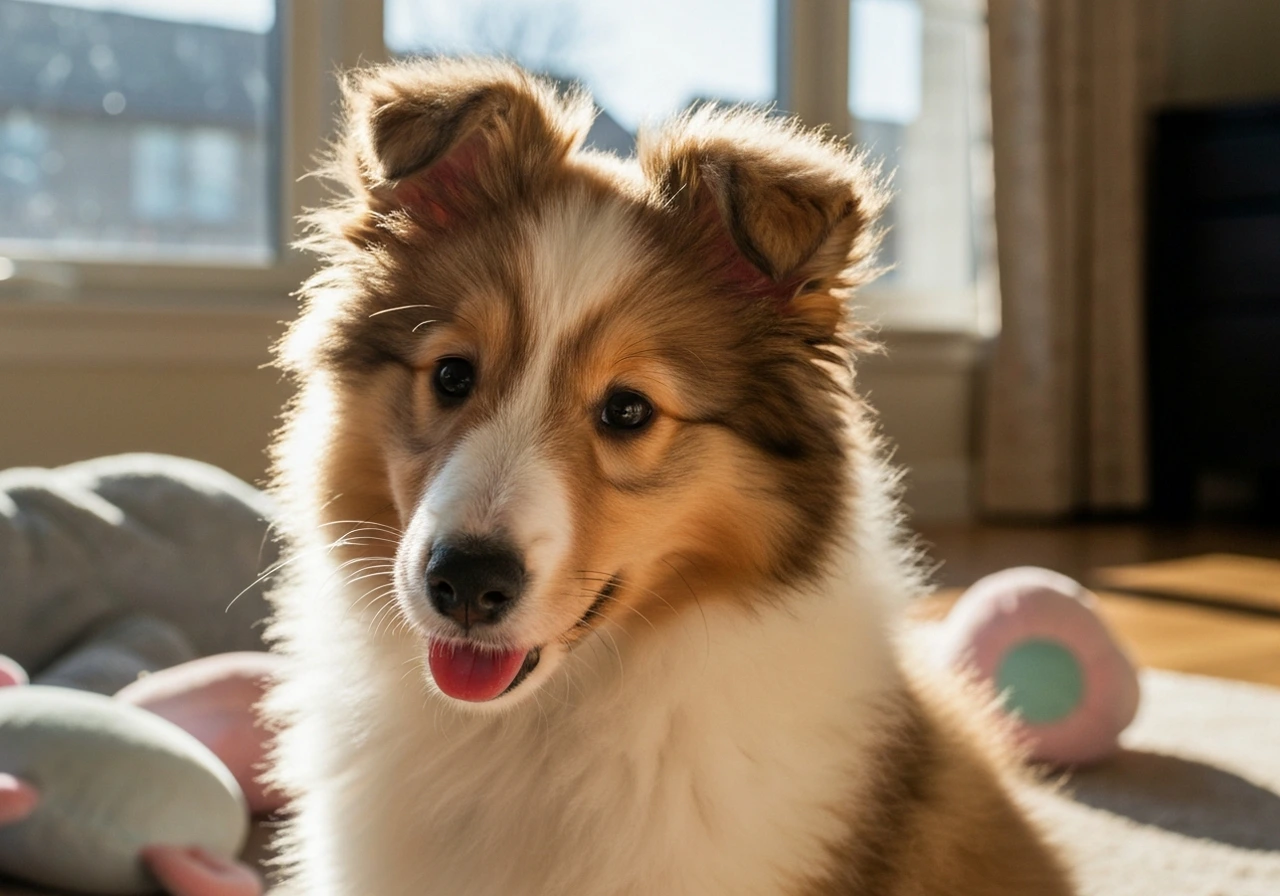
The genetics of hip dysplasia are polygenic, meaning many genes contribute rather than a single faulty gene. This complexity means that even two OFA-certified parents can produce affected puppies, and it means that environmental management matters significantly in how severely the genetic predisposition manifests.
The Critical Growth Period: Birth to Six Months
The first six months of a German Shepherd puppy's life are when hip development is most actively occurring and most susceptible to disruption. During this period, the femoral head transitions from primarily cartilage to bone, the acetabulum deepens to accommodate a growing femoral head, and the supporting ligaments and joint capsule mature.
Joint laxity is normal and even necessary in the earliest weeks, allowing the femoral head to follow the acetabulum as both grow. Problems arise when laxity persists past the point where bony conformation should be providing stability. Excessive laxity during this critical period allows the femoral head to subluxate repeatedly. Each subluxation event stresses the acetabular rim and the cartilage of both joint surfaces. Over weeks and months, this repeated microtrauma reshapes developing bone in unfavorable ways.
By the time a puppy reaches skeletal maturity around eighteen months, the damage is done. This is why early detection before sixteen weeks offers intervention options that disappear as the puppy grows.
What to Watch For in the First Year
Observant owners often notice the first signs of hip problems before any veterinarian does. Learning to read your puppy's movement and behavior is invaluable. Key warning signs include:
- Bunny hopping: Moving both rear legs simultaneously when running, especially on slippery surfaces or when accelerating. This gait reduces stress on individual joints by distributing load across both hips simultaneously.
- Swaying hindquarters: An exaggerated side-to-side motion of the rear end when walking, suggesting weakness or instability in the hip region.
- Sitting asymmetrically: Consistently sitting with one or both hind legs extended to the side rather than tucked under the body.
- Difficulty on slippery floors: Excessive slipping and scrambling on smooth surfaces beyond what is normal for a puppy.
- Morning stiffness: Reluctance to move or stiffness after sleeping, loosening as the puppy warms up.
- Pain when touched: Flinching or turning when you handle the puppy's rear end or apply light pressure near the hip area.
Nutrition: Getting It Right From the Start
What you feed your German Shepherd puppy affects joint development in measurable ways. The relationship between nutrition and skeletal health is one of the few areas where owner decisions have significant, proven impact.
The most important nutritional principle is controlled caloric intake. Rapid growth, driven by overfeeding, is strongly associated with increased hip dysplasia severity. Studies have shown that restricting caloric intake to maintain lean body condition, even in genetically predisposed puppies, significantly reduces the eventual expression of dysplasia.
Large-breed puppy formulas exist for exactly this reason. They provide appropriate calcium and phosphorus ratios without excess calories that drive rapid growth. Feeding an adult or all-life-stages food to a German Shepherd puppy is not appropriate; neither is supplementing with additional calcium, which can disrupt the finely balanced mineral ratios in properly formulated puppy food. Our detailed guide on puppy nutrition and skeletal development covers the specific requirements for large-breed puppies.
Exercise: Protecting Developing Joints
Young German Shepherds need exercise for physical development, socialization, and mental health. But the type and intensity of exercise matters enormously during the growth phase.
High-impact activities, running on hard surfaces, jumping, abrupt direction changes, and long forced marches, place repeated concussive stress on developing joint cartilage that has not yet been reinforced by mature bone. This stress, combined with the microtrauma from any underlying laxity, can accelerate dysplastic changes significantly.
The general guideline for large-breed puppies is five minutes of structured exercise per month of age, twice daily. A four-month-old puppy should have no more than two twenty-minute walks per day. Play sessions where the puppy sets the pace and rests when it chooses are generally fine beyond this limit. Detailed protocols are covered in our exercise management guide.
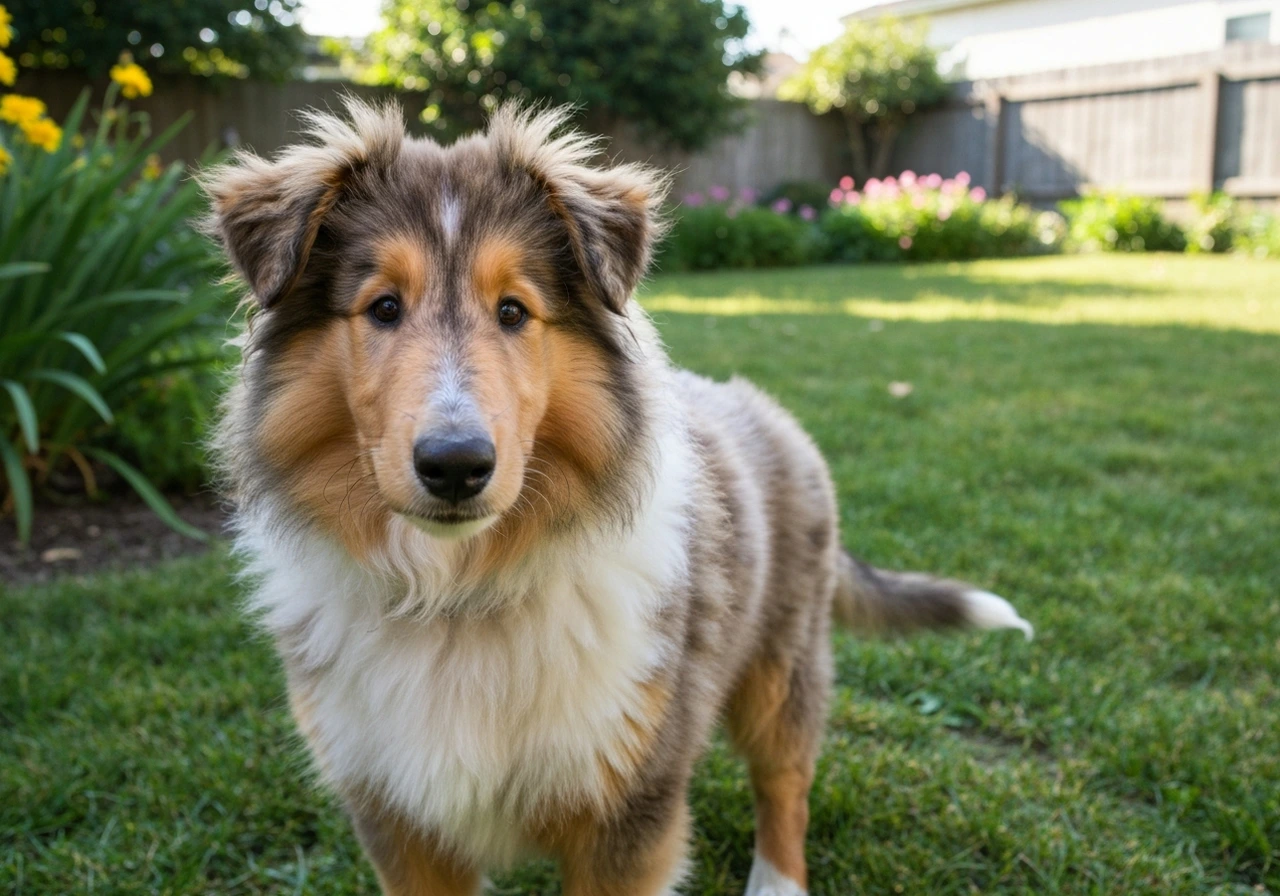
Choosing a Breeder: Before the Puppy Even Exists
The best intervention for German Shepherd hip dysplasia happens before a puppy is born. Responsible breeders screen breeding stock through recognized programs and make selection decisions based on hip health data.
When evaluating breeders, ask specifically about hip screening. Both parents should have current OFA certifications or PennHIP scores in the lowest third for the breed. Ask to see the actual certificates, not just verbal assurances. Ask about the hip scores of grandparents and siblings of previous litters if the breeder has that information.
A breeder who dismisses health testing questions, claims their dogs have never had problems without documentation, or offers unusually low prices, is unlikely to be making the selection decisions that protect puppy hip health.
First Veterinary Visit: Set the Right Expectations
At your puppy's first veterinary visit, specifically ask for hip palpation. Not every veterinarian performs the Ortolani test as a routine part of puppy examination. If you own a German Shepherd, request it explicitly. A positive Ortolani sign at this age does not guarantee clinical dysplasia, but it identifies puppies who warrant closer monitoring and potentially earlier imaging.
Discuss a screening schedule with your veterinarian. If the breeder did health testing, share that information. If laxity is detected, ask specifically about PennHIP evaluation timing and whether juvenile pubic symphysiodesis is worth discussing. These conversations should happen before the windows for early intervention close.
Living With Uncertainty
Even with optimal breeding, nutrition, and exercise management, some German Shepherd puppies will develop hip dysplasia. This is not a failure on your part. It is the reality of a condition with complex genetic roots in a breed that has been heavily selected for traits incompatible with perfect hip conformation.
What matters is recognizing that a diagnosis is not a catastrophe. Many dysplastic German Shepherds live full, active lives with appropriate conservative management, supplementation, and in some cases surgical intervention. The earlier you know, the more options you have. The more informed you are, the better the decisions you can make together with your veterinarian.
Your German Shepherd puppy deserves an owner who starts asking the right questions from day one. You are already doing that by reading this.
When a breed club publishes no routine hip screening, the buyer has to build the evidence from the litter itself. Ask to see the sire and dam in person, watch them rise, walk and turn, and request any radiographs or scores the breeder holds, even if they were done privately. Ask how the parents are exercised, what they are fed, and whether any siblings have been returned or retired early. For a breed where club level data is thin, the same practical checks used in Bull Terrier breeder checks apply: verify what you can, and put the rest in writing before you reserve.